Achieving Excellence in Marine Construction: Planning and Constructing Premier Boat Lifts, Docks, and Seawalls
The field of marine construction requires careful consideration of numerous key components. Regulatory requirements, environmental factors, and material choices are all essential considerations. The success of projects relies on mitigating corrosion and ensuring structural integrity. Emerging approaches show promise, though obstacles remain. In what ways can builders incorporate sustainability without compromising functionality? Such solutions have the potential to reshape industry benchmarks.
Understanding Ocean Ecosystems: Critical Factors to Examine
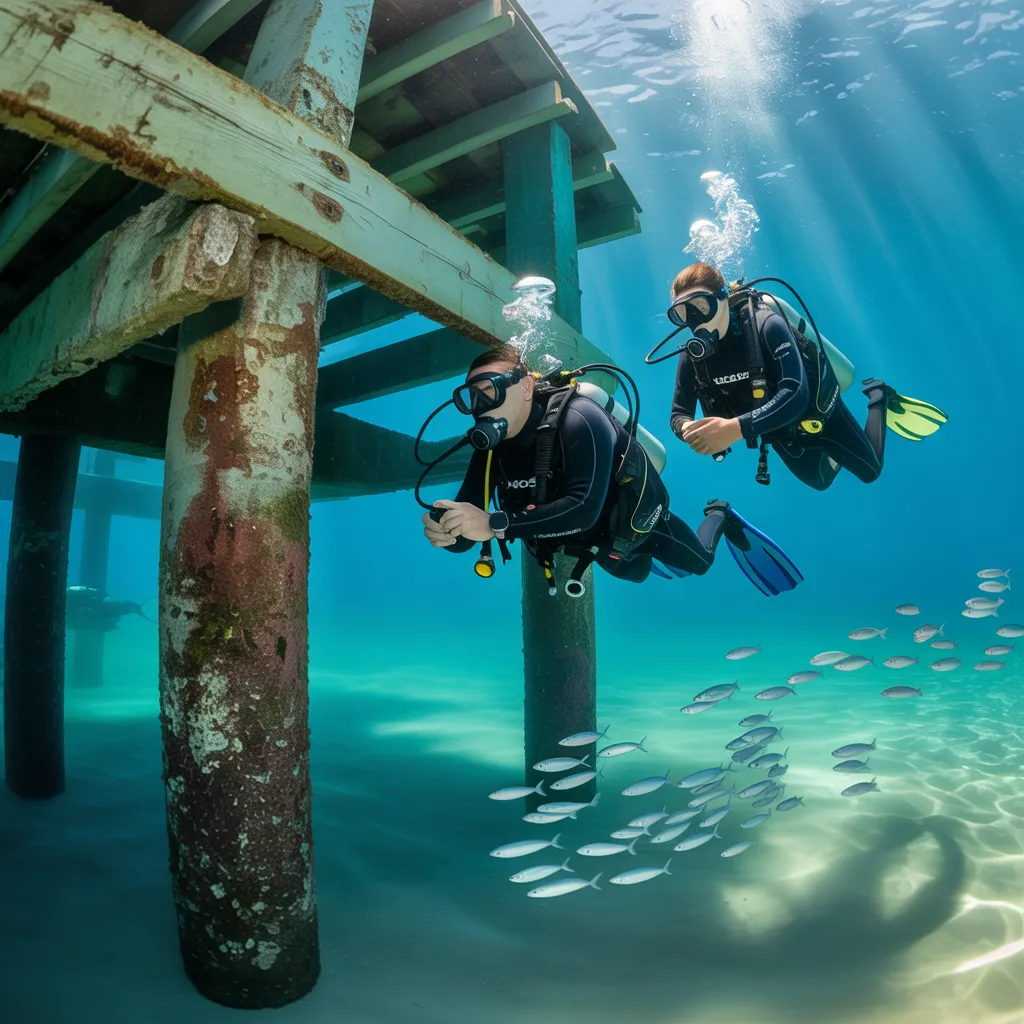
Marine environments present unique challenges and considerations for construction projects. Factors such as tidal variations, wave action, and currents considerably influence design and installation processes. The high salinity levels in seawater can result in expedited corrosion of materials, demanding deliberate selection of construction methods and protective solutions. Additionally, sediment movement and erosion can impact the stability of structures like docks and seawalls, requiring thorough site assessments prior to construction.
Environmental rules also play a vital role, demanding adherence to standards designed to protect marine ecosystems. This requires evaluating nearby wildlife habitats and water conditions in the early planning stages. Additionally, accessibility for construction equipment and personnel is often restricted in marine environments, introducing additional challenges to project execution. Taken together, being aware of these essential factors is critical to ensuring marine construction success, making certain that built structures are structurally sound, long-lasting, and environmentally responsible.
Which Materials Are Ideal for Docks and Seawalls?
Choosing the correct materials for marine structures is important for providing durability and effectiveness. Several alternatives can be found, each offering their own advantages and potential drawbacks. Moreover, environmental considerations play a key role in identifying materials that minimize ecological impact while maintaining structural strength.
Top Material Choices
When choosing materials for docks and seawalls, one must consider important aspects like durability, environmental impact, and maintenance requirements. Frequently used materials include treated timber, which provides a classic look but may require regular upkeep. Concrete is favored for its strength and longevity, making it ideal for heavy loads and harsh conditions. Vinyl and composite options offer an easy-care option, withstanding deterioration and corrosion, though upfront expenses can be greater. Steel, notably galvanized or marine-rated varieties, is strong and well-suited for heavy-duty uses, although it demands protective finishes to guard against oxidation. In the end, the ideal material is determined by specific site conditions, intended use, and budget, ensuring functionality and longevity in marine environments.
Green Considerations
Since environmental concerns hold significant importance in the selection of materials for marine structures and seawalls, the impact on local ecosystems must not be overlooked. Eco-friendly materials like natural stone, recycled plastics, and treated wood often emerge as favorable options. These materials not only limit ecological interference but also enhance durability against harsh marine conditions. For instance, incorporating permeable surfaces can decrease runoff and support water clarity. Additionally, opting for non-toxic coatings and applications helps safeguard marine organisms. It is critically important to examine the particular ecological setting, including regional vegetation and animal life, before making material selections. By prioritizing eco-friendly options, marine construction can harmonize with nature, ensuring that construction benefits rather than damages the neighboring environment.
Key Regulations and Permits for Marine Construction
In marine construction, grasping essential regulations and permits is essential for achieving successful project outcomes. Local zoning laws determine where construction of docks and seawalls is allowed, while environmental review processes assess possible effects on the surrounding ecosystem. Navigating the permit acquisition process is vital to maintain conformity with all legal requirements.
Local Zoning Laws
Local zoning ordinances serve a critical function in coastal construction projects, particularly in the planning and installation of seawalls and docks. These laws dictate land utilization, establishing where and how waterfront structures can be built. Adherence to local zoning laws ensures that building projects are consistent with community goals, the protection of the environment, and land use requirements. Particular permits are frequently necessary, which may involve submitting detailed plans for review by local authorities. These regulations may also cover issues such as setback requirements, structure height, refer to this page and property boundaries. Neglecting to follow these regulations can result in consequences such as fines or the removal of unauthorized structures. Consequently, understanding local zoning laws is essential for successful marine construction projects.
Environmental Impact Evaluations
Environmental Impact Evaluations (EIAs) are essential elements in the marine construction process, especially for initiatives that include docks and seawalls. These evaluations examine the possible ecological consequences of proposed construction activities on surrounding ecosystems, aquatic conditions, and animal habitats. Regulatory agencies often require EIAs to secure conformity with environmental laws and standards. This procedure generally encompasses collecting data on existing conditions, stakeholder consultations, and determining remediation approaches for potential negative effects. EIAs serve a fundamental function in encouraging eco-friendly approaches in coastal development, directing builders toward well-considered choices that correspond with ecological preservation goals. By prioritizing ecological considerations, EIAs aid in reconciling developmental requirements with the safeguarding of coastal habitats.
License Application Process
Navigating the application process for marine construction requires careful attention to essential rules and permits that govern such ventures. This process typically involves receiving clearances from federal, state, and local authorities, guaranteeing adherence to environmental regulations and zoning laws. Applicants must provide detailed plans and documentation, including site assessments and potential environmental impacts. Critical authorizations commonly involve those from the United States Army Corps of Engineers, regional environmental authorities, and local planning boards. Schedules may differ, so early engagement with regulatory bodies is essential for streamlining the approval process. Additionally, stakeholder engagement may be needed, enabling community members to express their views. Successfully maneuvering this complex landscape is critical to any coastal development initiative to advance in a lawful and effective manner.
Fundamental Design Principles for Resilient and Attractive Marine Structures
Constructing marine structures that are structurally sound and visually appealing requires careful consideration of design principles. As a starting point, materials must be chosen based on their resistance to challenging oceanic environments, such as anti-corrosion alloys and weather-treated lumber. Ensuring structural soundness is critical; structures should feature balanced weight distribution to endure the pressures of waves and water flow.
Moreover, aesthetics are a key factor in the overall presentation of maritime installations. Incorporating natural components, like greenery and color schemes that complement the surrounding environment, creates a sense of visual unity.
Furthermore, functionality must not be neglected; designs must facilitate ease of access and usage while ensuring safety for users.
In conclusion, sustainable practices should be integrated into the design process, using environmentally safe materials and limiting environmental damage. By balancing durability with aesthetic appeal, ocean construction endeavors can accomplish enduring results and visual appeal, successfully addressing both functional and ecological requirements.
Essential Tips for Installing Marine Structures
Properly installing marine structures requires adherence to a set of best practices that guarantee both functionality and longevity. First, thorough site assessments are essential, including soil testing and hydrological studies, to inform design choices. Precise measurements and proper alignment throughout construction help avoid structural problems and improve stability. Employing premium materials that resist corrosion and marine wear is essential for long-lasting performance.
In addition, employing qualified specialists ensures that the setup aligns with local compliance standards and safety protocols. Proper fastening systems need to be included to resist natural forces, such as wave action and tidal currents.
In addition, prompt evaluations before and after installation help identify underlying concerns at an early stage, enabling remedial actions before they become more serious. By following these proven standards, experts in the field can guarantee that seawalls, boat lifts, and docks perform effectively while withstanding the challenges associated with waterfront settings.
Upkeep Tips to Maximize the Lifespan of Marine Structures
Upon verifying the correct placement of nautical structures, ongoing maintenance is crucial for maximizing their lifespan. Routine examinations should be performed to recognize evidence of damage, such as splits, oxidation, or unstable fixtures. Addressing these issues promptly can stop additional structural harm. Maintaining cleanliness of marine structures is just as critical; removing debris and algae helps maintain structural integrity and aesthetic appeal.
Additionally, utilizing surface coatings can shield surfaces from severe marine elements. For wooden parts, using wood preservatives will discourage deterioration and pest damage. It is also necessary to monitor and maintain any operational systems, such as boat lifting systems, to guarantee safe and efficient operation.
In addition, scheduled seasonal servicing, particularly ahead of and following the winter season, can mitigate damage resulting from harsh weather conditions. By adhering to these upkeep routines, dock and marine frameworks can not only withstand environmental forces but also offer consistent functionality for decades to come, thereby improving their overall value and functionality.
Innovative Trends in Marine Construction: What's Next?
As the marine construction sector advances, groundbreaking trends are taking shape that promise to enhance both sustainability and efficiency in the design and installation of structures such as docks and seawalls. A notable trend involves the adoption of eco-friendly materials, like recycled plastics and sustainably sourced timber, which lower environmental impact while upholding structural integrity. Moreover, innovations in modular construction approaches enable faster, more flexible installations, reducing disruptions to marine ecosystems.
Another notable advancement is the incorporation of smart technology. Smart sensors and tracking systems can deliver real-time data on building integrity and environmental factors, facilitating proactive maintenance and lowering long-term costs. Moreover, biophilic architectural principles are gaining traction, encouraging structures that blend with the natural environment and support local wildlife.
In combination, these trends suggest a transition towards more responsible and innovative marine construction practices, defining a new precedent for projects to come and confronting the escalating demands posed by environmental shifts and urban expansion.
Frequently Asked Questions
How Do Tides Affect Dock Design and Installation
Tides greatly influence dock design and installation by dictating structural stability, elevation, and accessibility. Designers must consider tidal ranges to guarantee safety and functionality, adapting designs to withstand varying water levels and environmental conditions.
How Does Marine Construction Impact the Environment?
Offshore building projects can disrupt nearby natural habitats, change the natural movement of water, and affect sediment transport. Additionally, these projects can cause the deterioration of living environments for underwater organisms and result in the degradation of water quality, calling for thorough ecological evaluations and responsible construction methods.
Can I Build a Dock Without a Professional Contractor?
Building a dock without a professional contractor is feasible, but it requires thorough knowledge of local codes and regulations, structural requirements, and environmental considerations. DIY building could cause serious safety hazards and compliance issues if not done properly.
How Do I Choose the Right Location for My Boat Lift?
To determine the ideal position for a watercraft lift, you should consider the depth of the water, closeness to navigation channels, tidal variations, and nearby obstructions. In addition, evaluating local ordinances and ecological impact is critical for optimal positioning.
What Type of Insurance Is Required for Marine Construction Projects?
For marine construction projects, robust insurance typically includes general liability, workers' compensation, and specialized marine coverage. This safeguards against potential property damages, workplace accidents, and liability disputes, guaranteeing financial stability throughout the project's lifespan and afterward.